

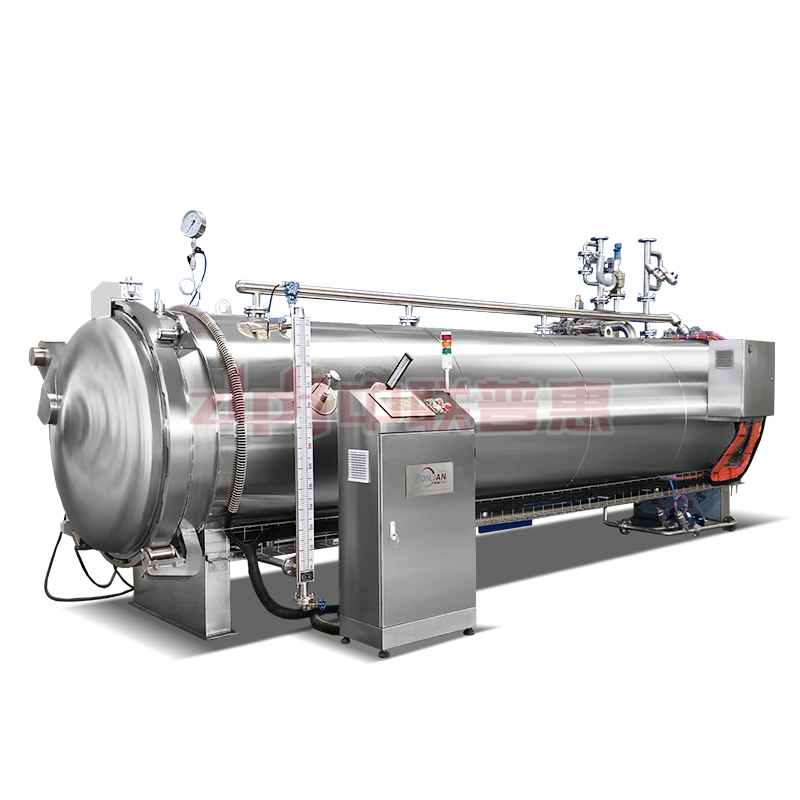
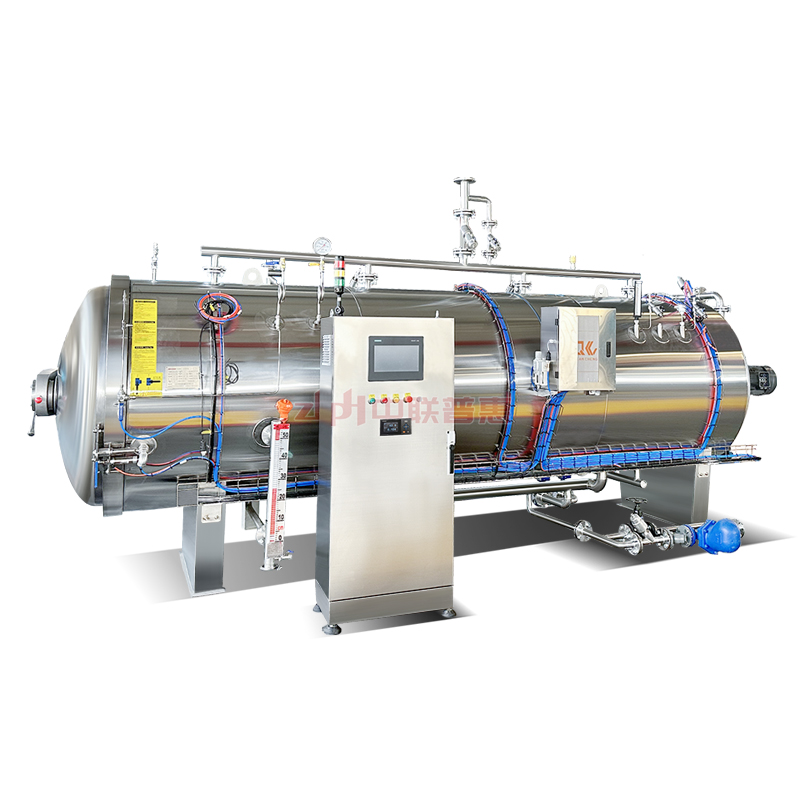
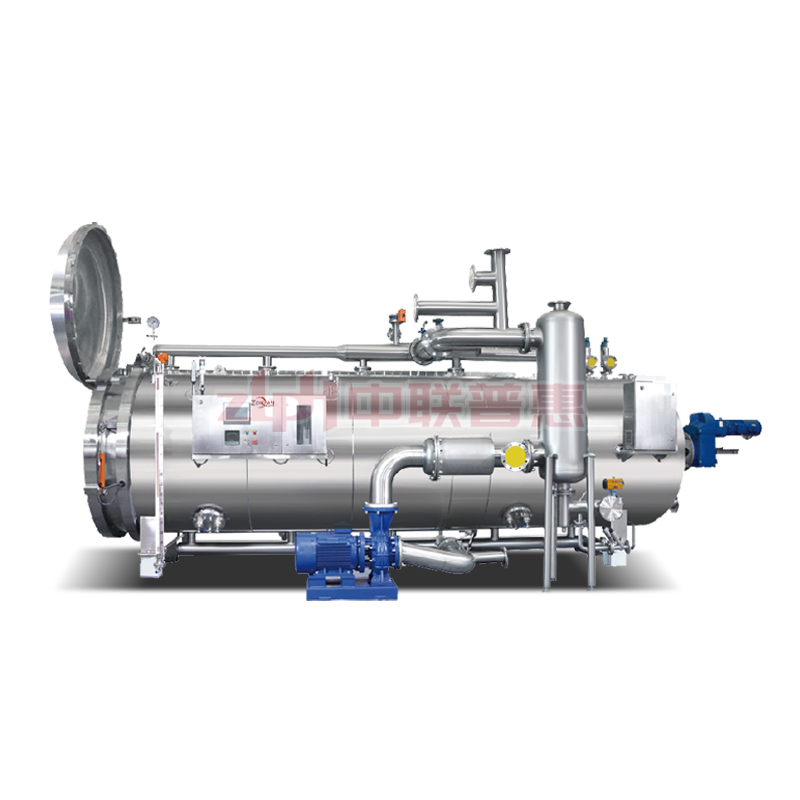
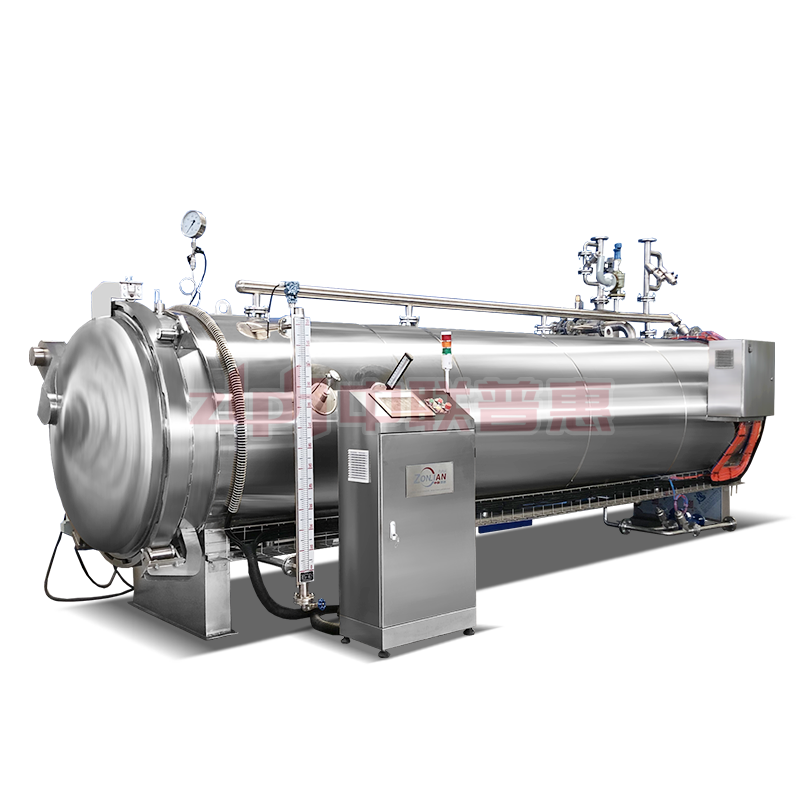
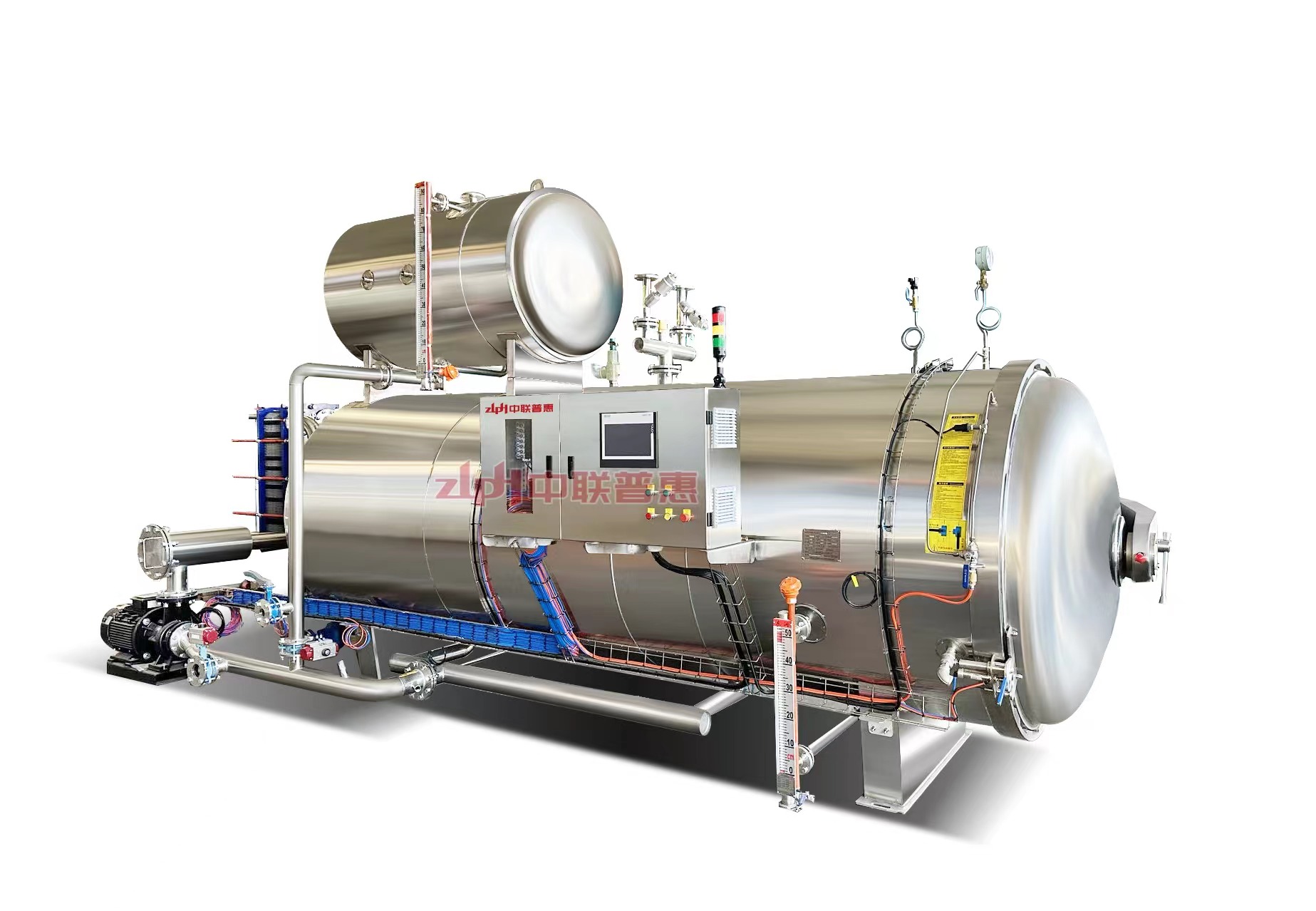
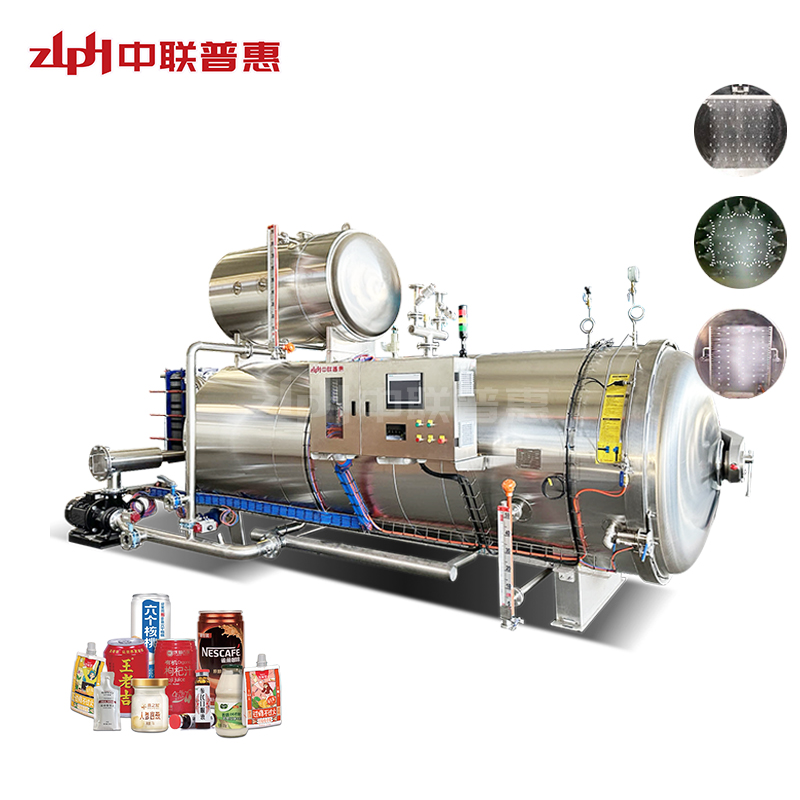
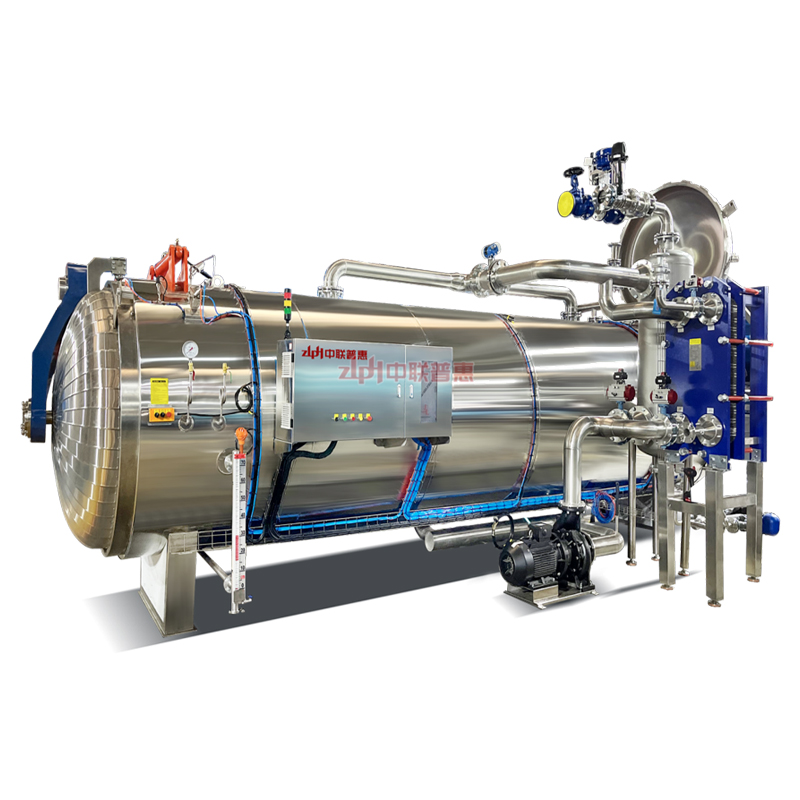
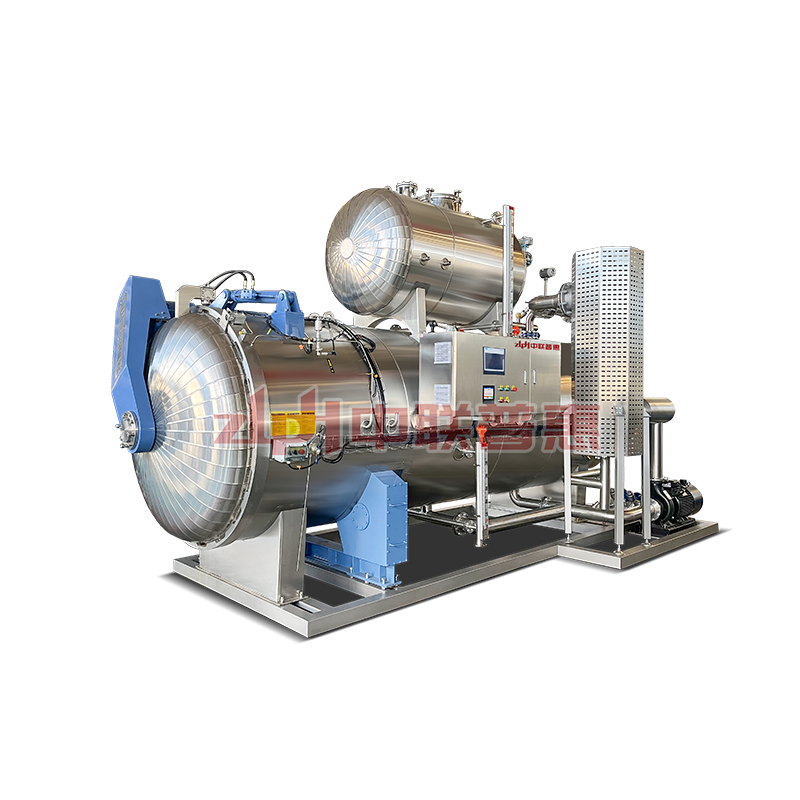
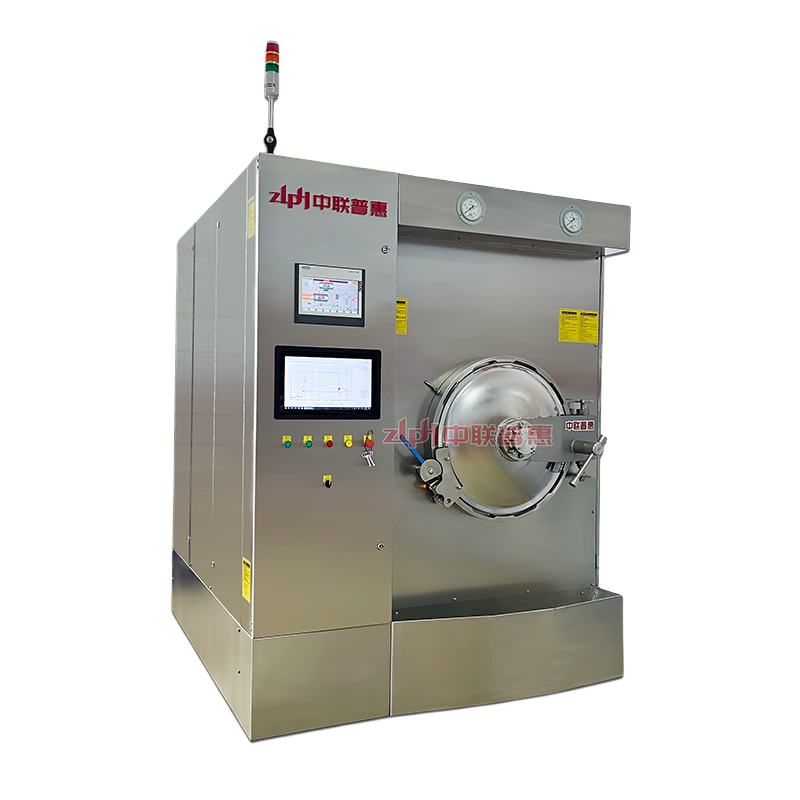
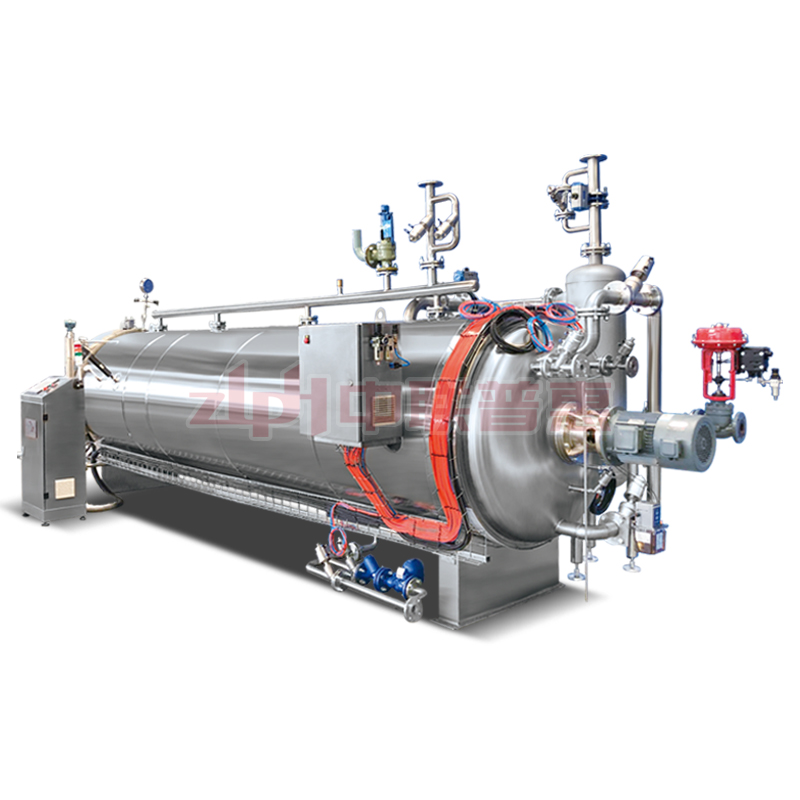
This guide is authored by a senior food processing engineer with over 10 years of experience at ZLPH MACHINERY TECHNOLOGY CO., LTD., a leading provider of industrial sterilization systems. It addresses a critical challenge faced by global food manufacturers and procurement teams: inconsistent or inefficient sterilization in canned and retort pouch production lines. Inadequate thermal processing often stems from outdated equipment design, poor temperature-pressure control, and non-uniform heat distribution—leading to safety risks, product recalls, or over-processing that degrades texture and nutrition. Based on more than 5,000 global installations and rigorous field validation across meat, seafood, pet food, and ready-to-eat meal sectors, we present a proven, step-by-step approach to ensure complete microbial kill while preserving product quality. This guide breaks down real-world scenarios, root causes, actionable fixes, compliance considerations, and performance benchmarks to help you achieve reliable, scalable, and safe sterilization outcomes using modern steam retort autoclaves.

How to Ensure Uniform Sterilization in Large-Batch Canned Food Processing?
1. Scenario & Pain Point
In high-volume canning facilities producing vegetables, soups, or meats, operators frequently report inconsistent F0 values across batches—some units fail microbial tests while others suffer texture loss due to overcooking. This inconsistency increases waste, delays shipments, and risks regulatory non-compliance.

2. Root Cause Analysis
Three primary factors contribute: (1) uneven steam distribution inside the chamber due to poor nozzle layout; (2) lack of real-time temperature monitoring at multiple basket positions; and (3) manual loading causing variable product density and airflow blockage.

3. Step-by-Step Solution
Implement a steam retort autoclave with multi-zone spray nozzles and intelligent PID control. ZLPH’s systems feature 360° rotating spray arms and dual-circuit steam injection, ensuring ±0.5°C uniformity across 15m³ chambers. Integrate wireless data loggers at top, middle, and bottom rack positions to validate thermal profiles per FDA 21 CFR Part 113. Automate loading with tray conveyors to standardize basket fill patterns.

4. Pitfall Avoidance Guide
Never rely solely on chamber air temperature—always measure product core temperature. Avoid overloading baskets beyond 85% capacity. Conduct monthly nozzle inspection to prevent clogging from mineral deposits. Use deionized water in the spray system to reduce scaling.
5. Validation Results
A European vegetable processor reduced batch rejection from 7% to 0.3% after deploying ZLPH’s steam retort with automated loading. F0 consistency improved to 99.2% across 10,000+ cycles, validated by third-party lab audits.
How to Handle Delicate Products Like Retort Pouch Meals Without Overcooking?
1. Scenario & Pain Point
Manufacturers of premium ready-to-eat meals in flexible pouches struggle with sauce separation, protein toughening, or pouch bursting during sterilization—especially when scaling from pilot to full production.
2. Root Cause Analysis
Excessive pressure differentials during heating/cooling cause pouch deformation. Slow ramp-up rates lead to prolonged exposure at sub-lethal temperatures, promoting enzyme activity that degrades quality.
3. Step-by-Step Solution
Use a counter-pressure controlled steam retort with programmable ramp/cool curves. ZLPH’s intelligent top-opening retorts maintain ±0.1 bar pressure balance via servo-controlled air/water injection, preventing pouch damage. Implement rapid come-up time (<15 mins to 121°C) using direct steam injection combined with pre-heated process water.
4. Pitfall Avoidance Guide
Always validate pouch material tolerance (typically 3–4 bar burst strength). Avoid abrupt cooling—use staged water spray cooling with nitrogen backpressure. Monitor O-ring integrity on door seals monthly to prevent steam leaks that disrupt pressure control.
5. Validation Results
An Asian meal-kit brand achieved 99.8% pouch integrity rate and extended shelf life to 24 months using ZLPH’s system, with sensory scores 30% higher than legacy batch retorts.
What Certifications Are Required for Steam Retorts Exported to Europe or Russia?
1. Scenario & Pain Point
Exporters face shipment delays or customs rejection when their sterilization equipment lacks region-specific compliance documentation.
2. Root Cause Analysis
Many suppliers overlook mandatory certifications beyond basic CE marking, such as EAC for Eurasian markets or ASME BPVC Section VIII for pressure vessel integrity.
3. Step-by-Step Solution
Procure retorts certified under EU CE (Machinery & Pressure Equipment Directives), Russian EAC, ASME U-Stamp, and Malaysia DOSH. ZLPH holds all these credentials, enabling seamless market entry across 60+ countries.
4. Pitfall Avoidance Guide
Verify that the manufacturer’s certification covers the exact model and pressure rating—not just generic company approval. Request original certificate copies with notified body numbers.
5. Validation Results
ZLPH’s certified retorts have cleared customs in Germany, Kazakhstan, and Brazil without technical holds since 2020, backed by full documentation packages in local languages.
Industry Best Practices for Steam Retort Operations
Based on 6+ years of global deployments, ZLPH recommends this 5-step framework:
1. Define Worst-Case Conditions
Design cycles for the slowest-heating product in your portfolio—not average items.
2. Automate Data Logging
Replace manual charts with cloud-connected sensors for real-time F0 tracking and audit trails.
3. Standardize Maintenance
Schedule bi-weekly gasket checks, quarterly pressure relief valve tests, and annual hydrostatic inspections.
4. Validate with Biological Indicators
Run Geobacillus stearothermophilus spore strips monthly to confirm lethality.
5. Partner with Certified Vendors
Choose suppliers with ASME, CE, and EAC—not just ISO 9001—to ensure mechanical and regulatory reliability.
Frequently Asked Questions (FAQ)
Q: Can I retrofit an old retort with modern controls?
A: Yes—ZLPH offers PLC upgrade kits with touchscreen HMI, remote monitoring, and recipe management, extending equipment life by 8–10 years.
Q: What’s the minimum batch size for efficient operation?
A: Our smallest steam retort (1.2m³) handles 200–300 pouches per cycle, ideal for SMEs and R&D labs.
Q: How often should I calibrate temperature sensors?
A: Every 6 months per EN 13485; ZLPH provides NIST-traceable calibration certificates.
Q: Are top-opening retorts safer than side-opening?
A: Yes—gravity-assisted door closure reduces operator strain and eliminates hinge fatigue risks, enhancing workplace safety.
Q: Does your system support IoT integration?
A: Fully—via Modbus TCP, OPC UA, or MQTT for connection to MES/ERP systems.
Our Expertise & Support
ZLPH MACHINERY TECHNOLOGY CO., LTD. has specialized in sterilization technology since 2018, with 21 mechanical designers, 4 sterilization process experts, and 14 global after-sales engineers. Our 50-acre facility houses a 15,000m² workshop equipped with CNC machining centers and hydrostatic test rigs, ensuring precision manufacturing. We hold ASME, CE, EAC, and AAA Credit Enterprise certifications, serving clients in food, pet care, and pharmaceutical sectors across 40+ countries. At the 2023 AGROPRODASH Moscow and Petfair Asia Shanghai expos, our intelligent steam retorts received acclaim for innovation and reliability.
We offer:
• Free thermal process validation consultation
• On-site installation & operator training
• Custom chamber dimensions (up to 18m³)
• 24/7 technical support via WhatsApp or email
Contact Us
Company: ZLPH MACHINERY TECHNOLOGY CO., LTD.
Website: https://www.zlphretort.com/
Email: sales@zlphretort.com
Phone / WhatsApp: +86 15666798389 / +86 13361554016
